
Honeywell Intruder Alarm Manual: A Comprehensive Guide
This manual provides detailed guidance for Honeywell intruder alarm systems, covering installation, programming, operation, and troubleshooting․
It’s essential for both professionals and users seeking to understand and maintain their security setup․
Information regarding the 2026 NCAA tournament is irrelevant here․
The guide encompasses wired and wireless systems, control panel functions, sensor types, and communication methods․
Understanding these aspects ensures optimal performance and reliable protection against potential threats․
March Madness bracket details are outside the scope of this document․
Regular system testing and battery maintenance are highlighted, alongside procedures for arming, disarming, and bypassing zones․
This comprehensive approach empowers users to effectively manage their Honeywell alarm system․
College basketball tournament schedules are not included in this manual․
Understanding Honeywell Intruder Alarm Systems
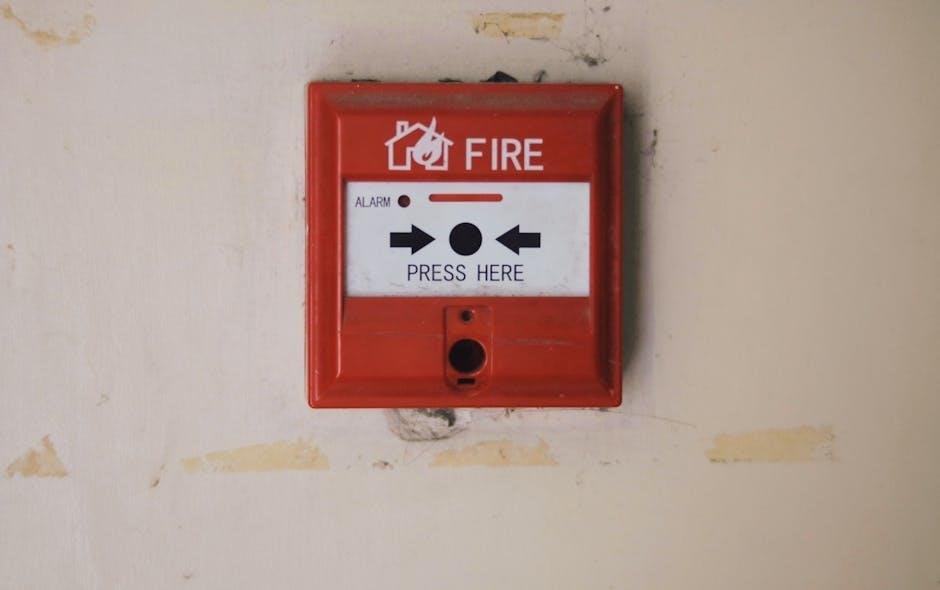
Honeywell intruder alarm systems represent a cornerstone of modern security, offering robust protection for residential and commercial properties․ These systems are designed with scalability in mind, accommodating everything from small homes to large, complex facilities․ Central to their functionality is a sophisticated control panel that acts as the brain of the operation, managing all connected sensors and communication pathways․
The core principle revolves around detecting unauthorized entry through a network of sensors strategically placed on doors, windows, and within interior spaces․ These sensors trigger an alarm signal when a breach is detected, alerting both occupants and, if configured, a professional monitoring center․ Honeywell systems utilize a variety of technologies, including wired and wireless communication protocols, to ensure reliable performance․

Understanding the system’s architecture is crucial for effective operation․ This includes recognizing the different zones, each representing a specific area of protection, and how they interact with the control panel․ Furthermore, familiarity with user codes and access levels is essential for managing authorized users and preventing accidental activations․ The integration of features like remote access via mobile apps enhances convenience and control, allowing users to monitor and manage their security from anywhere with an internet connection․ The systems are designed to be adaptable, offering options for fire alarm integration and CCTV compatibility․
System Components: A Detailed Overview

A Honeywell intruder alarm system comprises several key components working in unison to provide comprehensive security․ The control panel, often the central hub, processes signals from sensors and manages system functions․ Keypads offer user interaction for arming, disarming, and programming the system, with options for both hardwired and wireless models․
Door and window contacts are fundamental sensors, triggering alarms upon unauthorized opening․ Motion detectors utilize infrared or microwave technology to detect movement within designated areas․ Glass break detectors identify the sound of shattering glass, providing an additional layer of protection․ Wireless sensors offer flexibility in installation, eliminating the need for extensive wiring․
Sirens and strobe lights provide audible and visual alerts upon alarm activation, deterring intruders and notifying occupants․ Battery backup ensures continued operation during power outages․ Communication modules, including phone lines, IP connections, and cellular options, facilitate alarm signal transmission to monitoring centers․ Zone expanders increase the system’s capacity to accommodate a larger number of sensors․ Power supplies provide the necessary energy to operate the entire system reliably․ These components, when properly integrated, create a robust and effective security solution․
Control Panel Functionality & Programming
The Honeywell control panel serves as the brain of the security system, managing all connected sensors and devices․ Its core functionality includes arming/disarming the system, processing alarm signals, and communicating with monitoring centers․ Programming is typically achieved through the keypad, utilizing a master code and following a structured menu system․
Key programming parameters include zone definitions, assigning specific sensor types to designated areas (e․g․, entryways, windows, interior)․ User code management allows for creating and deleting individual access codes with varying permission levels․ Entry/exit delay settings determine the timeframe allowed for arming/disarming without triggering an alarm․ Communication settings configure the panel to transmit signals via phone line, IP, or cellular networks․
Event logs record system activity, providing a history of alarms, arming/disarming events, and system faults․ Sensitivity adjustments allow fine-tuning sensor responsiveness to minimize false alarms․ Battery testing verifies the backup power source’s functionality․ Advanced panels may offer remote programming capabilities via smartphone apps or web interfaces․ Proper programming is crucial for optimal system performance and reliability․
Keypad Operation & User Codes
The Honeywell keypad is the primary interface for controlling the alarm system, enabling users to arm, disarm, and manage system settings․ Keypad operation typically involves entering a valid user code followed by a designated command․ Arming modes commonly include ‘Stay’ (perimeter protection while occupants remain inside) and ‘Away’ (full protection when the premises are vacant)․ Disarming requires entering the correct user code within the designated entry delay period․
User codes are essential for authorized access, and should be kept confidential․ Master codes grant full system control, while individual user codes can be assigned limited permissions․ Duress codes silently trigger an alarm without alerting the intruder․ Changing user codes regularly enhances security․ The keypad also displays system status indicators, such as armed/disarmed status, zone faults, and communication errors․
Panic buttons on the keypad initiate an immediate alarm signal․ Keypad backlighting improves visibility in low-light conditions․ Troubleshooting keypad issues often involves checking battery levels or verifying code entry․ Familiarity with keypad functions and user code management is vital for effective system operation․

Sensor Types & Placement (Doors, Windows, Motion)
Honeywell intruder alarm systems utilize various sensor types to detect unauthorized entry․ Door and window contacts are the most common, triggering an alarm when a door or window is opened․ These typically consist of two parts: a sensor and a magnet, installed on the frame and the moving part respectively․ Motion detectors employ infrared or microwave technology to detect movement within a designated area․ Dual-technology detectors combine both technologies to minimize false alarms․
Proper sensor placement is crucial for optimal performance․ Door and window contacts should be securely mounted and aligned․ Motion detectors should be positioned to cover vulnerable areas, avoiding direct sunlight, heat sources, and obstructions․ Consider pet-immune motion detectors to prevent false alarms caused by animals․ Glass break detectors can be used to detect the sound of breaking glass․
Regularly test all sensors to ensure they are functioning correctly․ Wireless sensors require periodic battery checks․ Wired sensors should be inspected for damaged wiring․ Correct sensor selection and strategic placement are fundamental to a reliable security system․
Wireless Sensor Integration & Troubleshooting
Integrating wireless sensors into a Honeywell system offers flexibility and ease of installation․ The process typically involves enrolling each sensor with the control panel, assigning it a zone, and testing its functionality․ Ensure compatibility between the sensor and the control panel before attempting integration․ Signal strength is critical; sensors too far from the panel may experience communication issues․
Troubleshooting wireless sensor problems often begins with checking the battery․ Low batteries are a common cause of intermittent or failed communication․ Interference from other wireless devices can also disrupt signals․ Try relocating the sensor or the control panel to minimize interference․ Check for obstructions between the sensor and the panel․
If a sensor consistently fails to communicate, try re-enrolling it with the control panel․ Consult the Honeywell documentation for specific troubleshooting steps related to your model․ Consider using a wireless signal repeater to extend the range of the system; Proper maintenance and understanding of potential issues are key to reliable wireless security․

Wired Sensor Installation & Maintenance
Wired sensor installation demands careful planning and execution․ Begin by running low-voltage wiring from the control panel to each sensor location, adhering to local electrical codes․ Proper wire gauge is crucial for reliable signal transmission; consult the Honeywell documentation for recommendations․ Securely mount sensors to doors, windows, or walls, ensuring they are aligned correctly for optimal detection․
Maintenance of wired sensors primarily involves periodic testing and inspection․ Regularly test each sensor to verify its functionality and communication with the control panel․ Inspect wiring for damage, corrosion, or loose connections․ Clean sensor surfaces to remove dust and debris that could interfere with operation․
Troubleshooting wired sensor issues often involves checking wiring connections and voltage levels․ A multimeter is a valuable tool for diagnosing wiring problems․ If a sensor fails to trigger, verify the wiring, sensor alignment, and control panel programming․ Refer to the Honeywell manual for specific troubleshooting guidance related to your system model․
Alarm System Zones & Partitioning
Honeywell alarm systems utilize zones to categorize sensors and define areas of protection․ Each sensor is assigned to a specific zone, allowing for precise identification of alarm triggers․ Common zones include entry/exit doors, windows, motion detectors, and interior spaces․ Proper zone programming is essential for accurate alarm reporting and efficient response․
Partitioning divides the system into independent security areas․ Each partition can be armed or disarmed separately, providing flexibility and control․ For example, a home might have separate partitions for the main house and a detached garage․ Partitioning is useful for businesses with multiple departments or areas requiring different security levels․
Zone and partition configuration is performed through the control panel’s programming interface․ Refer to the Honeywell manual for detailed instructions on setting up zones and partitions․ Consider the layout of the protected premises and security requirements when designing the zone and partition structure․ Incorrect configuration can lead to false alarms or compromised security․
Arming and Disarming Procedures
Honeywell alarm systems offer multiple arming modes to suit different security needs․ “Stay” arming secures the perimeter while allowing movement inside, ideal for nighttime․ “Away” arming activates all sensors, suitable when the premises are unoccupied․ “Night” arming may offer a customized configuration, often disabling specific interior sensors․
Arming is typically initiated via the keypad, entering a valid user code followed by the desired arming mode selection․ Remote arming is possible through mobile apps or key fobs, depending on the system configuration․ Disarming requires entering a valid user code within the designated timeframe, usually 60 seconds, to prevent a false alarm․
Always familiarize yourself with the specific arming and disarming procedures for your Honeywell system․ Ensure all occupants understand these procedures to avoid accidental activations․ Delayed entry/exit times can be programmed to allow safe entry and exit without triggering the alarm․ Regular practice of arming and disarming ensures familiarity in emergency situations․
Bypass Zones: Temporary Sensor Deactivation
Bypassing zones on a Honeywell alarm system allows for the temporary deactivation of specific sensors without disarming the entire system․ This is useful when a sensor is malfunctioning, a window is left open, or a pet is roaming freely in a protected area․ Bypassing should only be used temporarily and never as a substitute for proper sensor repair or security measures․
The bypass procedure typically involves entering a master code on the keypad, followed by the zone number to be bypassed․ The system will confirm the bypass with an audible beep or a message on the keypad display․ Bypassed zones are usually indicated on the keypad or through the system’s mobile app․
Remember that bypassing a zone reduces the overall security coverage of the system․ Always re-enable bypassed zones as soon as the reason for bypassing is resolved․ Avoid bypassing critical zones like entry doors or windows unless absolutely necessary․ Consult the system’s programming manual for specific instructions on bypassing zones for your model․
Alarm Notifications & Communication Methods (Phone, IP, Cellular)

Honeywell alarm systems utilize multiple communication pathways to ensure alarm signals reach the monitoring center or the homeowner promptly․ Traditional phone line communication is still supported, but increasingly, IP (Internet Protocol) and cellular communication are becoming the primary methods due to their reliability and speed․
IP communication transmits alarm signals over a broadband internet connection, offering a secure and efficient pathway․ Cellular communication, using a built-in cellular module, provides a backup or primary communication channel independent of phone lines or internet service․ Dual-path communication, combining both IP and cellular, offers the highest level of redundancy․
Notification methods include direct calls to pre-programmed phone numbers, text message alerts, and push notifications via the Honeywell mobile app․ The monitoring center will verify the alarm and dispatch emergency services if necessary․ Proper configuration of communication settings is crucial for reliable alarm reporting․ Regularly test communication pathways to ensure functionality․
Troubleshooting Common Alarm Issues
Honeywell alarm systems, while reliable, can occasionally experience issues․ Common problems include false alarms, sensor malfunctions, low battery warnings, and communication failures․ Addressing these promptly is crucial for maintaining system integrity․
False alarms are often triggered by user error, pets, or environmental factors․ Review user codes and sensor placement to minimize these occurrences․ Sensor malfunctions can be identified through system testing and may require replacement․ Low battery warnings indicate the need for immediate battery replacement to prevent system failure․
Communication failures can stem from phone line issues, internet outages, or cellular signal problems․ Verify the connection and contact your service provider if necessary․ Consult the system’s event log for detailed error messages․ Refer to the manual for specific troubleshooting steps․ If issues persist, contact a qualified Honeywell technician for assistance․
Remember to document all troubleshooting steps taken for future reference․
Battery Maintenance & Replacement
Maintaining the batteries in your Honeywell intruder alarm system is paramount for reliable operation, especially during power outages․ Most systems utilize sealed lead-acid (SLA) or lithium-ion batteries․ Regular inspection – at least annually – is recommended to check for corrosion, leaks, or swelling․
Low battery warnings, indicated on the keypad or through the system app, signal the need for replacement․ Do not ignore these warnings, as a depleted battery renders the system vulnerable․ Always replace batteries with the manufacturer-recommended type and voltage․ Incorrect batteries can damage the system․
Before replacing, disconnect the system from AC power to prevent electrical shock․ Follow the manufacturer’s instructions carefully, noting polarity․ Proper disposal of old batteries is essential; recycle them responsibly․ Test the system after replacement to confirm functionality․ Document the date of battery replacement for future reference․
Consider a battery backup test as part of your routine system checks․
False Alarm Prevention & Reduction
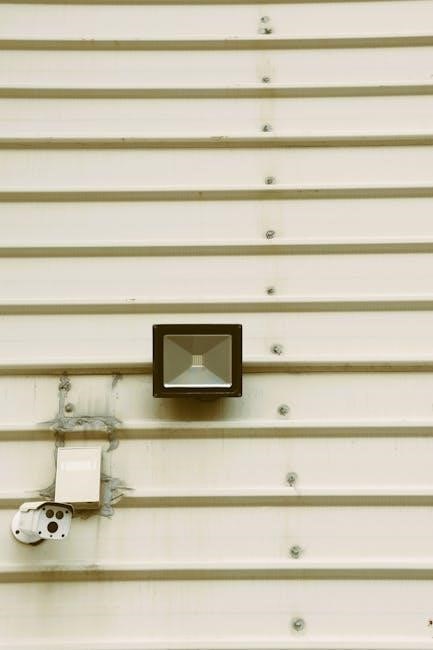
False alarms are a common nuisance and can incur fines or diminish emergency response effectiveness․ Honeywell systems offer features to minimize these occurrences․ Proper sensor placement is crucial; avoid direct sunlight, heat sources, or areas with high air flow near motion detectors․ Ensure doors and windows are securely closed before arming the system․
Utilize entry/exit delays to allow sufficient time to disarm the system upon entering or leaving․ Teach all users the correct arming and disarming procedures, including the proper user code․ Consider using zone bypass features for areas with known potential triggers, like pets or foliage․
Regularly inspect sensors for obstructions or damage․ Adjust sensitivity settings on motion detectors to reduce false triggers․ Familiarize yourself with the system’s verification features, which may require multiple sensor activations before dispatching authorities․ Review alarm history to identify recurring false alarm sources․ Promptly address any identified issues․
Remember, responsible alarm system usage is vital for community safety․
System Testing & Walkthroughs
Regular system testing is paramount to ensure optimal functionality and reliability of your Honeywell intruder alarm․ Conduct a complete system test at least semi-annually, and after any changes to the system configuration or user access․ Begin by activating each sensor individually – doors, windows, and motion detectors – to verify proper communication with the control panel․
Walk-test each zone, triggering the alarm and confirming the panel registers the event correctly․ Verify the alarm signal is successfully transmitted to the monitoring center (if applicable)․ Test the system’s communication pathways – phone line, IP connection, or cellular backup – to ensure redundancy․
Perform a full system walkthrough with all authorized users, demonstrating proper arming, disarming, and bypass procedures․ Emphasize the importance of knowing emergency contact information and the alarm system’s passcode․ Document the test results, noting any discrepancies or issues requiring attention․ Address any identified problems promptly to maintain a secure environment․
Consistent testing builds confidence and ensures your system is prepared to protect your property․
Honeywell Alarm System Apps & Remote Control
Honeywell offers a range of mobile applications and remote control options designed to enhance the user experience and provide convenient access to your security system․ These apps, typically available for iOS and Android devices, allow you to arm and disarm your system remotely, view system status, and receive real-time notifications․
Remote control features often include the ability to bypass zones, manage user codes, and review event history․ Integration with smart home platforms, such as Amazon Alexa or Google Assistant, may also be available, enabling voice control of your alarm system․ Ensure the app is regularly updated to benefit from the latest features and security enhancements․
When setting up remote access, prioritize strong password protection and enable two-factor authentication for added security․ Familiarize yourself with the app’s interface and functionalities to maximize its benefits․ Refer to the Honeywell website or app documentation for specific compatibility details and setup instructions․ Remote access provides peace of mind and control, even when you’re away from home․

Professional Monitoring & Service Options
Honeywell alarm systems can be integrated with professional monitoring services, providing 24/7 protection and rapid response in the event of an alarm․ These services typically involve a central monitoring station that receives alarm signals and dispatches emergency services, such as the police or fire department, as needed․
Service agreements often include options for cellular or IP-based communication, ensuring reliable connectivity even during power outages or phone line disruptions․ Professional monitoring can significantly reduce response times and increase the likelihood of a successful outcome in an emergency situation․ Consider the different monitoring packages available and choose one that aligns with your specific security needs․
Honeywell also offers extended warranty and maintenance plans to protect your investment and ensure the long-term reliability of your system․ Regular maintenance can help prevent false alarms and optimize system performance․ Authorized Honeywell dealers can provide expert installation, programming, and ongoing support․ Investing in professional monitoring and service provides enhanced security and peace of mind․